A Week of Discovery: February Vacation at Plimoth Patuxet Museums
Young learners spent February school vacation week exploring hands-on history at Plimoth Patuxet Museums in Plymouth, Massachusetts. Youth-focused programs invited participants to bake historic recipes, try traditional crafts, and learn about daily life in 17th-century Patuxet and Plymouth.
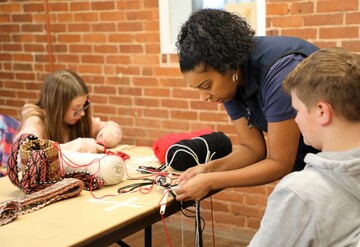
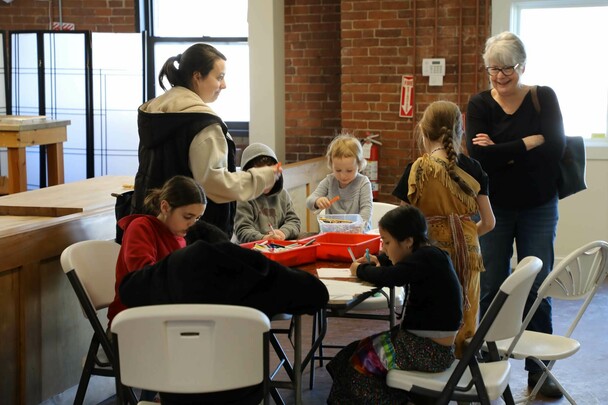
This February, young learners gathered at Plimoth Patuxet Museums in Plymouth, Massachusetts, for a week of hands-on programs that brought history, culture, and creativity to life. Designed specially for February school vacation, the Museum’s youth-focused events invited children and their families to explore the past and the enduring living traditions of the Wampanoag People through immersive activities that blended learning with fun. From baking and crafts to storytelling and historical exploration, each day offered new ways for young historians to connect with the past.
Learning by Doing
The week began with activities that encouraged curiosity and creativity. Families rolled up their sleeves to knead and twist dough during “Bake Your Own: Soft Pretzels,” discovering that pretzels were enjoyed by Pilgrims in the 17th century just as they are today.
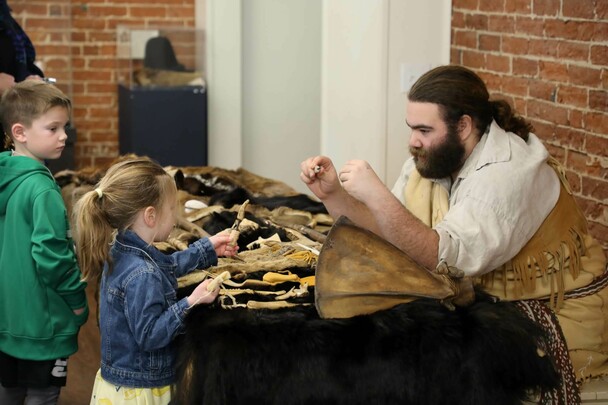
One highlight of the week was “A Child’s Life in Patuxet and Plymouth.” Through games, chores, and engaging conversations, participants experienced daily life as children might have known it in 17th-century Wampanoag communities and Plymouth Colony. These immersive experiences made historical perspectives tangible, offering depth and context beyond written accounts.
Cooking, Crafts, and Creativity
Food and craft traditions were a major theme of the week. Young visitors baked cornbread using the Museum’s stone-ground cornmeal and tried their hand at making pancakes over an open fire in “Pancakes with a Pilgrim.” These programs offered a flavorful look at historical cooking.
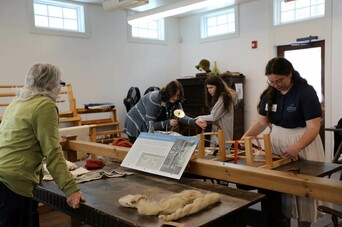
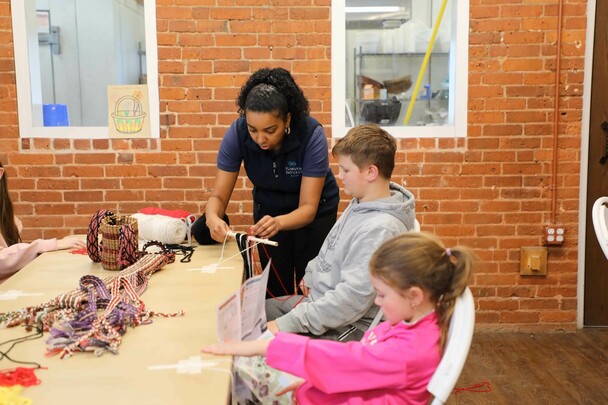
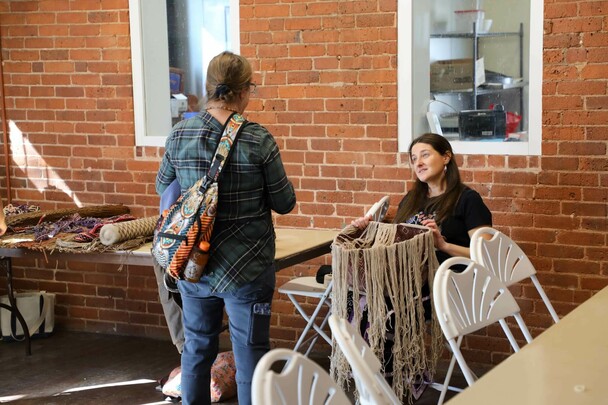
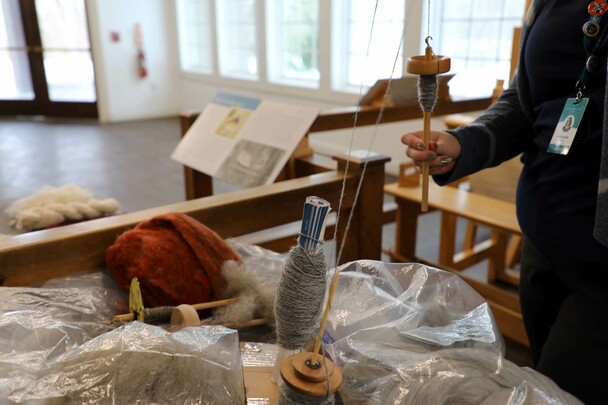
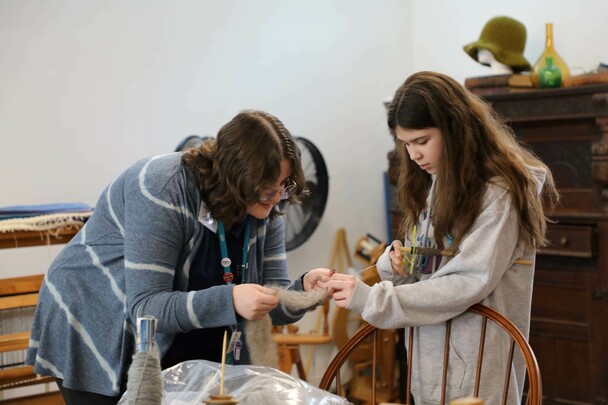
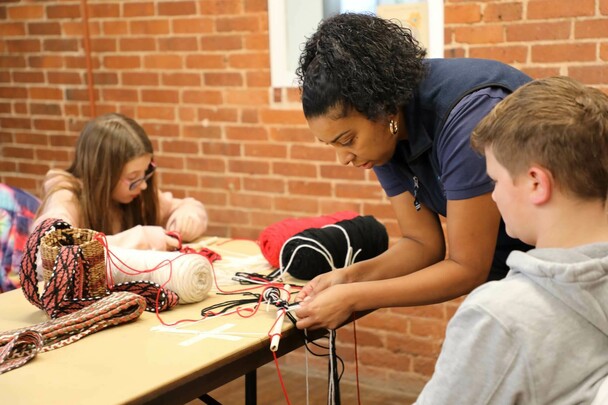
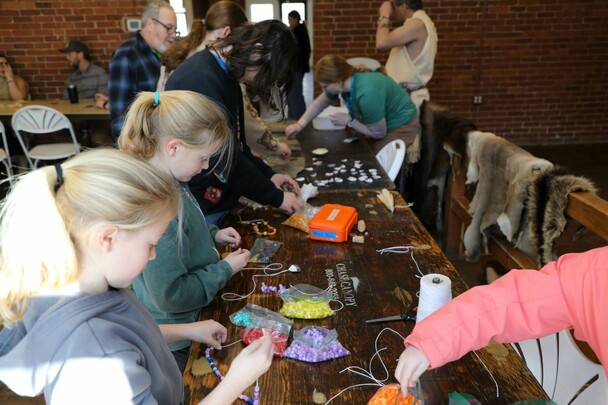
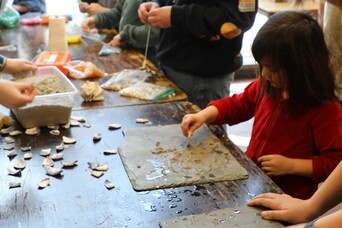
Creative workshops invited participants to explore historic art forms as well. Children experimented with floral fabric dyeing, practiced spinning and weaving during “Fun with Fibers,” and created their own painted Dutch tiles inspired by 17th-century designs. These hands-on sessions showed how everyday objects—from clothing to household decorations—were once made by hand.
Celebrating Wampanoag Culture
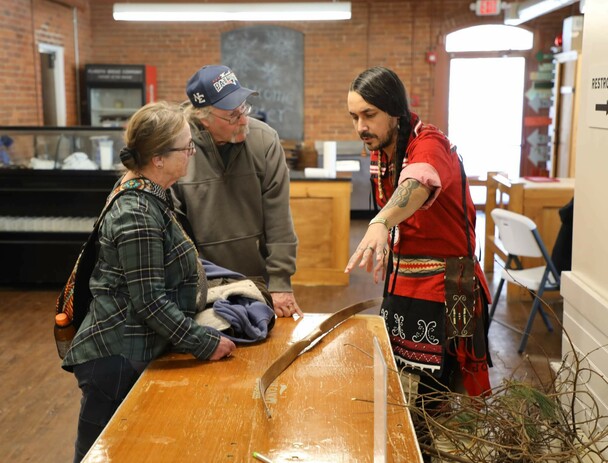
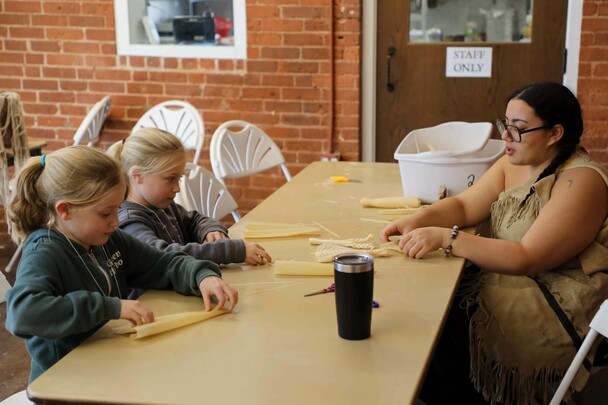
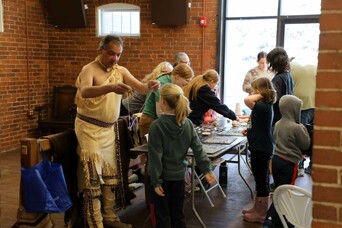
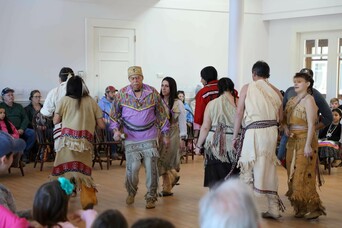
A special highlight of the week was Wampanoag Culture Day, which celebrated the heritage and living traditions of the Wampanoag People. Families gathered to play traditional games, create cornhusk dolls, and listen to stories shared around the fire in a wetu. The day also featured a special presentation by the Wampanoag Nation Singers and Dancers, offering visitors an opportunity to experience cultural expression through music and dance.
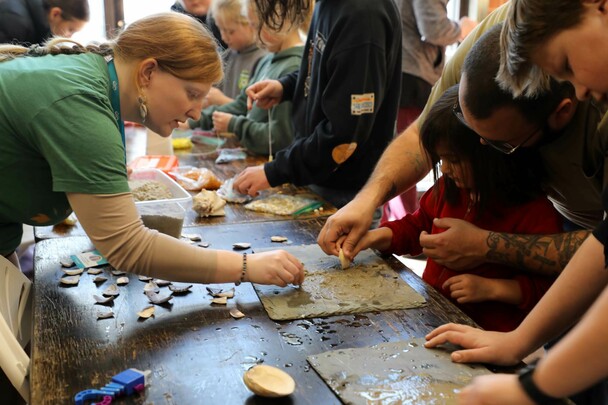
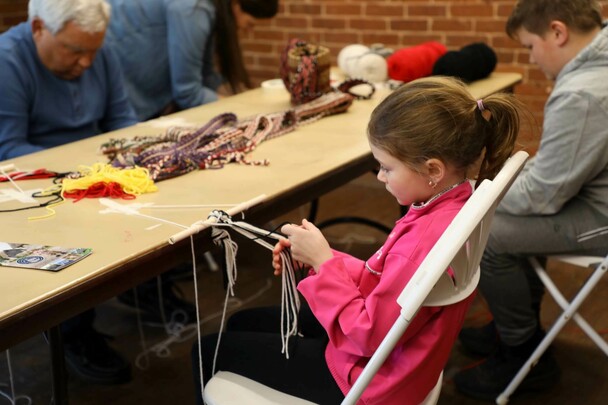
Workshops exploring Wampanoag finger weaving and pottery further explored how Indigenous knowledge, archaeology, and oral tradition help illuminate the past while continuing to shape living cultural practices today.
Bringing History to Life
Across the week, the Museum welcomed curious learners eager to explore the connections between past and present. Museum educators guided participants through experiences that encouraged creativity, discovery, and meaningful dialogue about the diverse communities of this region. The goal of the programming was simple but powerful: to spark curiosity and foster deeper understanding through engaging, interactive learning.
By the end of the week, families left with more than handmade crafts and new recipes—they carried with them a deeper appreciation for the people, traditions, and stories that continue to shape the history of this place.